

An in-depth exploration of the ways in which architecture is transforming to adapt to the evolving lifestyles of individuals.
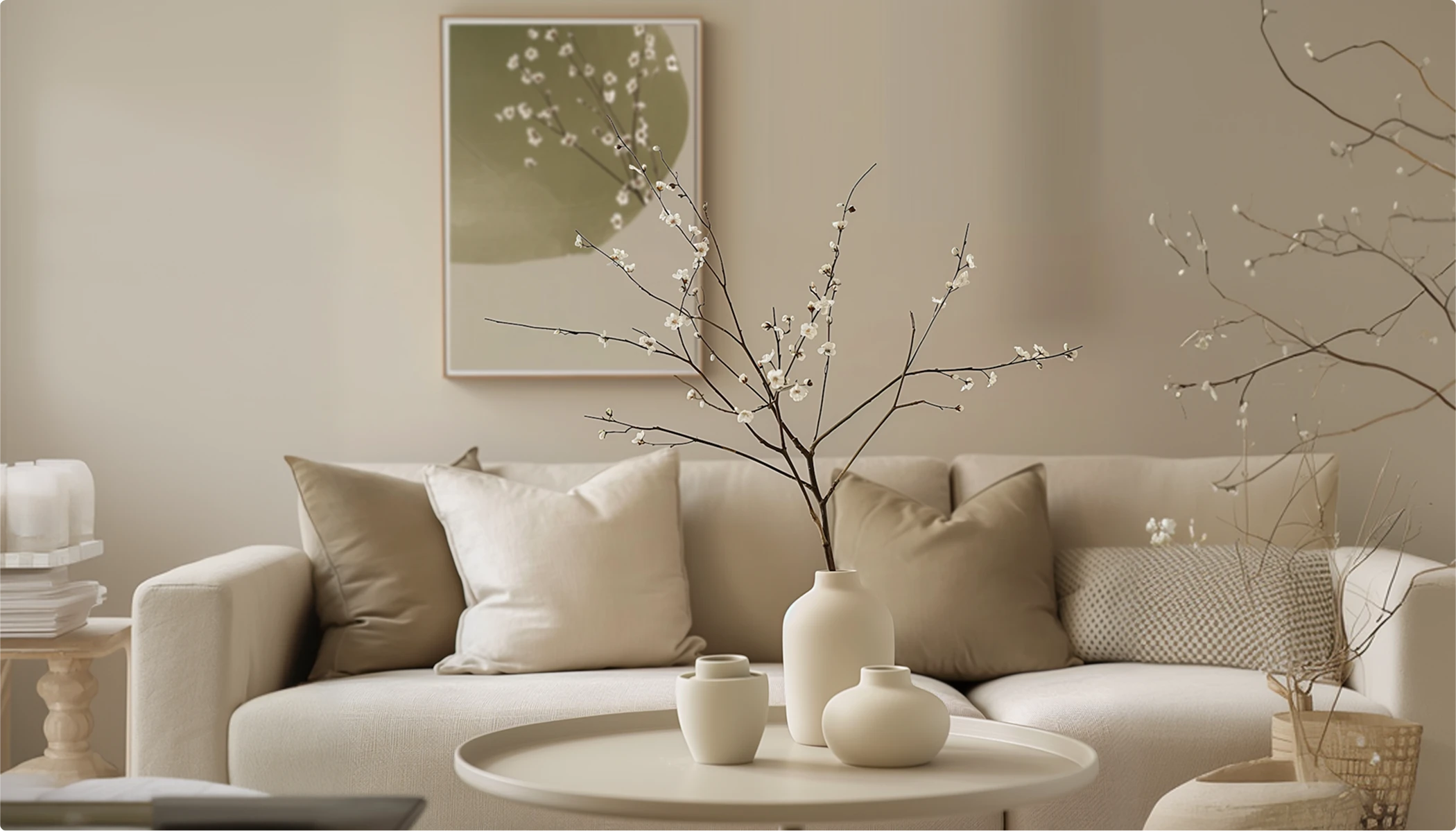
Modern living is constantly evolving, and architecture plays a key role in shaping how we experience our spaces. Today’s designs focus on flexibility, functionality, and a deeper connection between people and their environments.
Contemporary residences are designed to support a variety of activities, from work to relaxation, requiring flexible and efficient layouts. Gone are the days of rigid spaces; today’s homes feature adaptable, multifunctional areas that can transform to suit daily needs. This evolution reflects a shift in lifestyle, where the boundaries between work and leisure blur. Open floor plans encourage collaboration and social interaction, while private nooks provide necessary solitude. Home offices are now common, equipped with technology to facilitate remote work. Additionally, outdoor spaces are integrated into living areas, promoting a connection with nature.
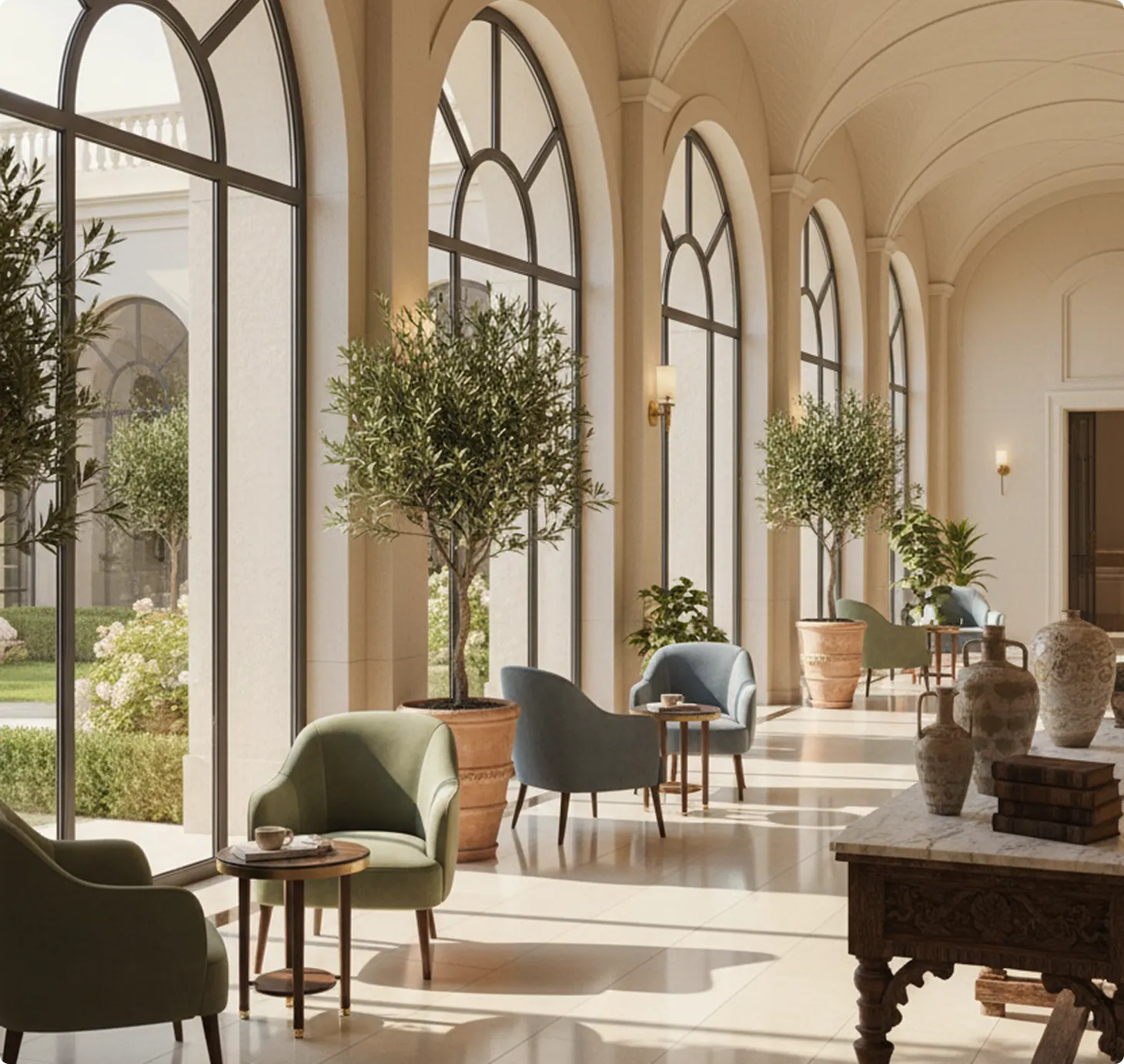
Natural light enhances both aesthetics and well-being, making it a crucial element in contemporary design. Large expanses of glass, strategic skylights, and internal courtyards are no longer luxury additions—they are fundamental architectural tools. Incorporating natural light into spaces not only elevates the mood but also promotes productivity and creativity. Designers are increasingly recognizing the importance of sunlight in reducing energy costs and improving indoor air quality. By creating open layouts that invite light, buildings can feel more connected to the outdoors.
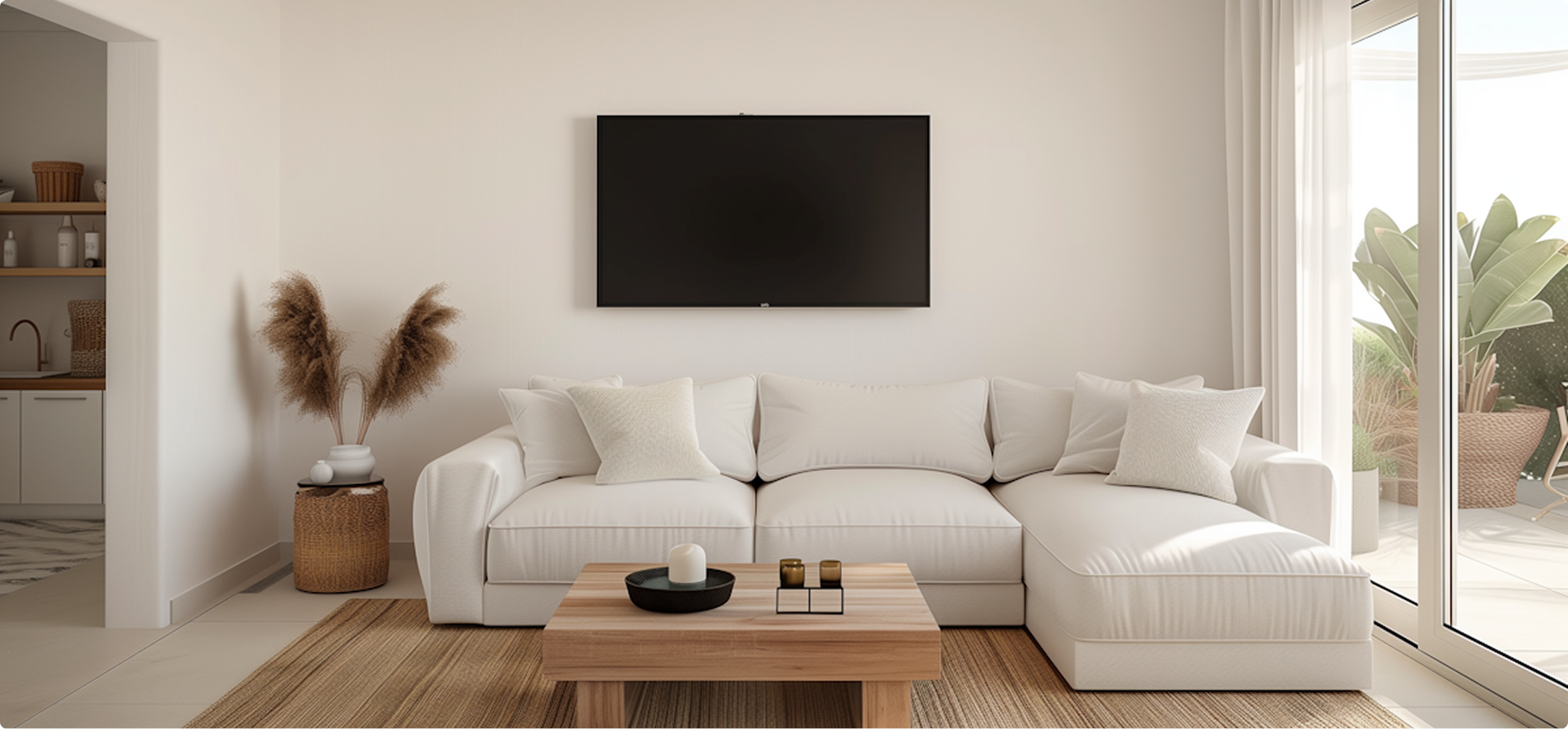
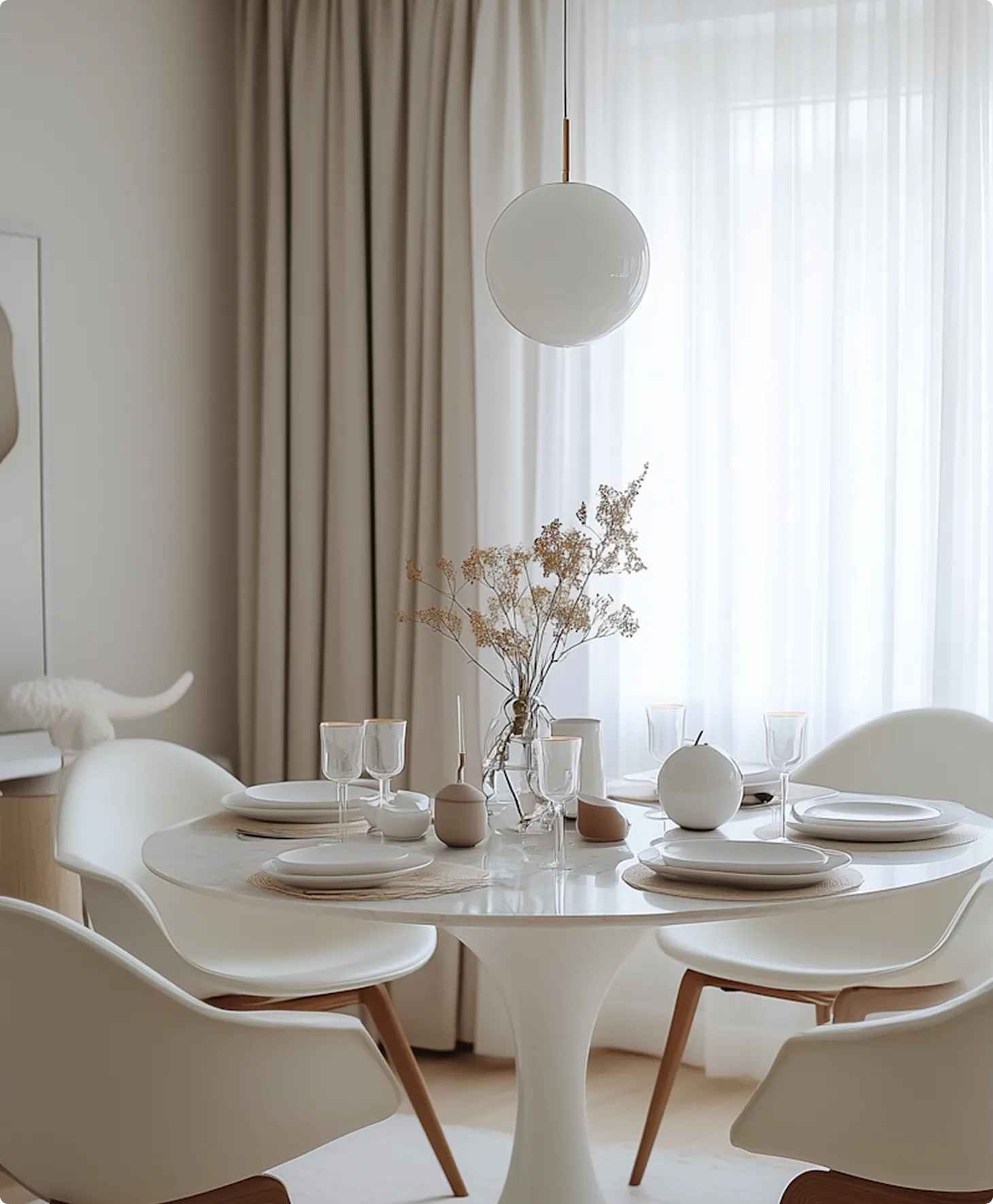
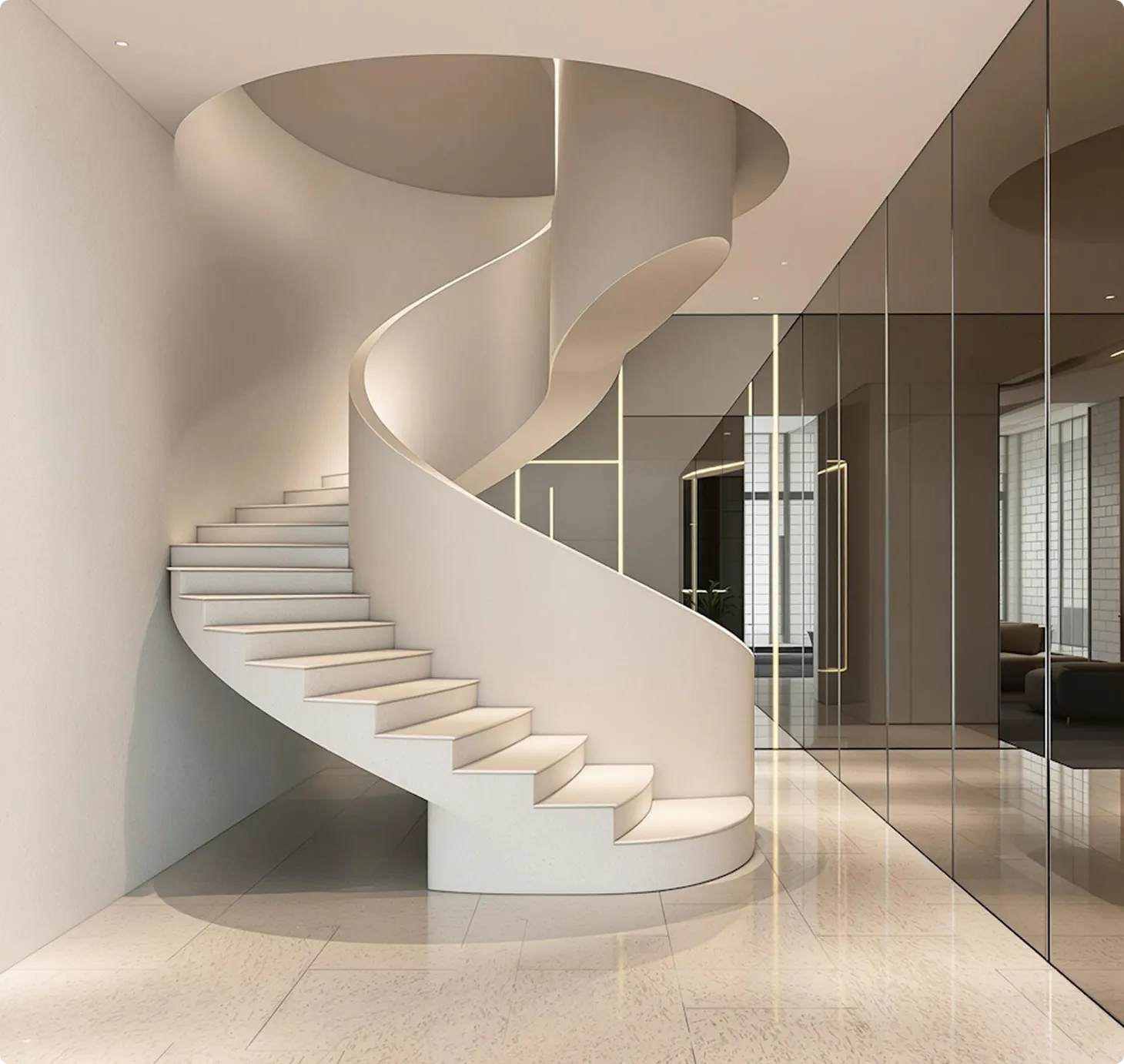
Thoughtful layouts ensure that spaces are practical, comfortable, and visually balanced. Every square foot must serve a purpose, reducing clutter and promoting a sense of calm and order. In addition, incorporating natural light can enhance the overall ambiance, making areas feel more inviting. Using a mix of textures and colors can also add depth and interest to the design. Consider the flow of movement within the space; it should feel intuitive and effortless. Furniture placement plays a crucial role in creating conversation areas that encourage interaction. Adding personal touches, like artwork or plants, can make a space feel more like home. Don't forget about storage solutions that blend seamlessly with the decor, keeping essentials within reach yet out of sight. Lastly, always keep in mind the needs of the occupants, ensuring that the design caters to their lifestyle and preferences.
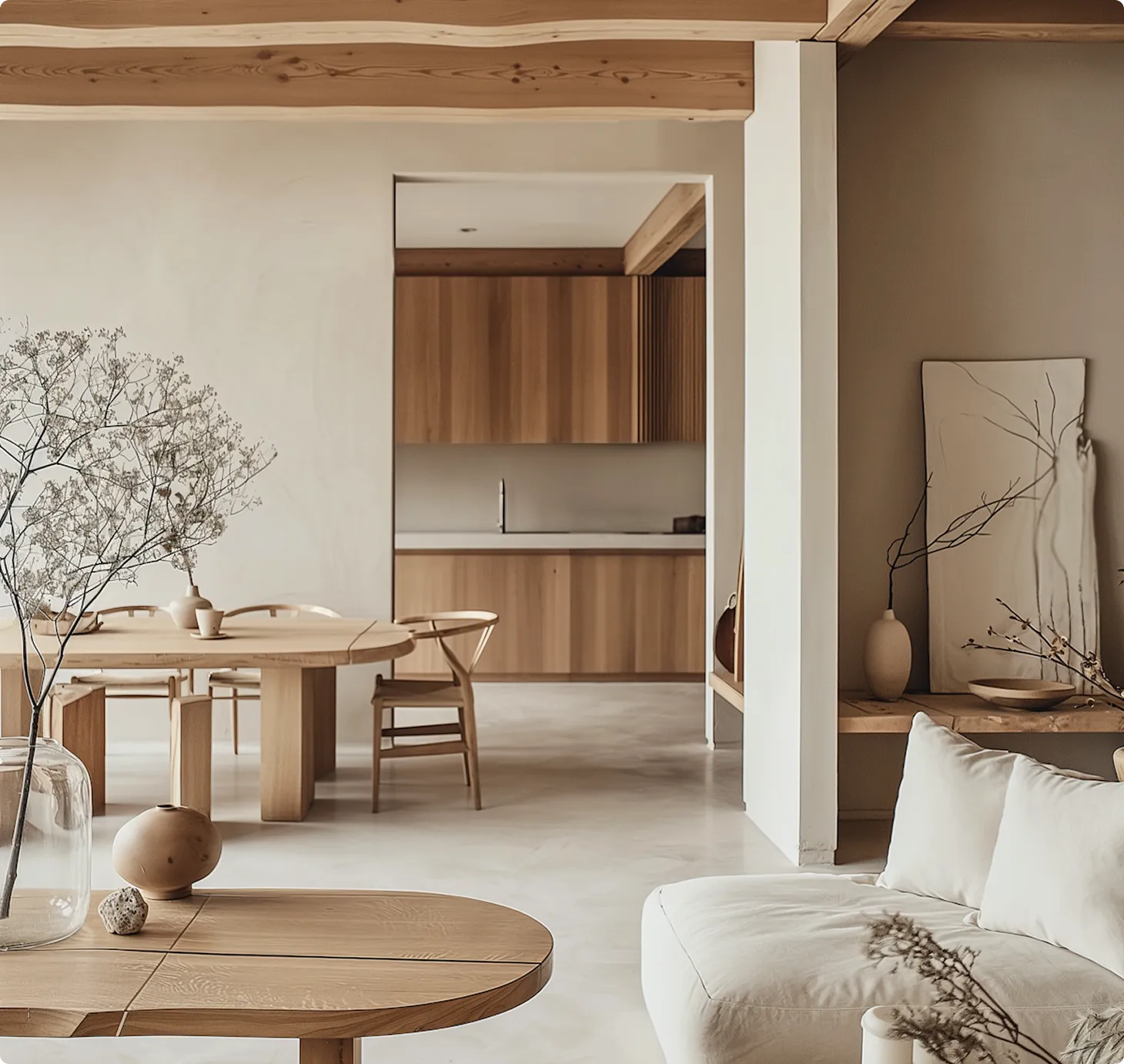
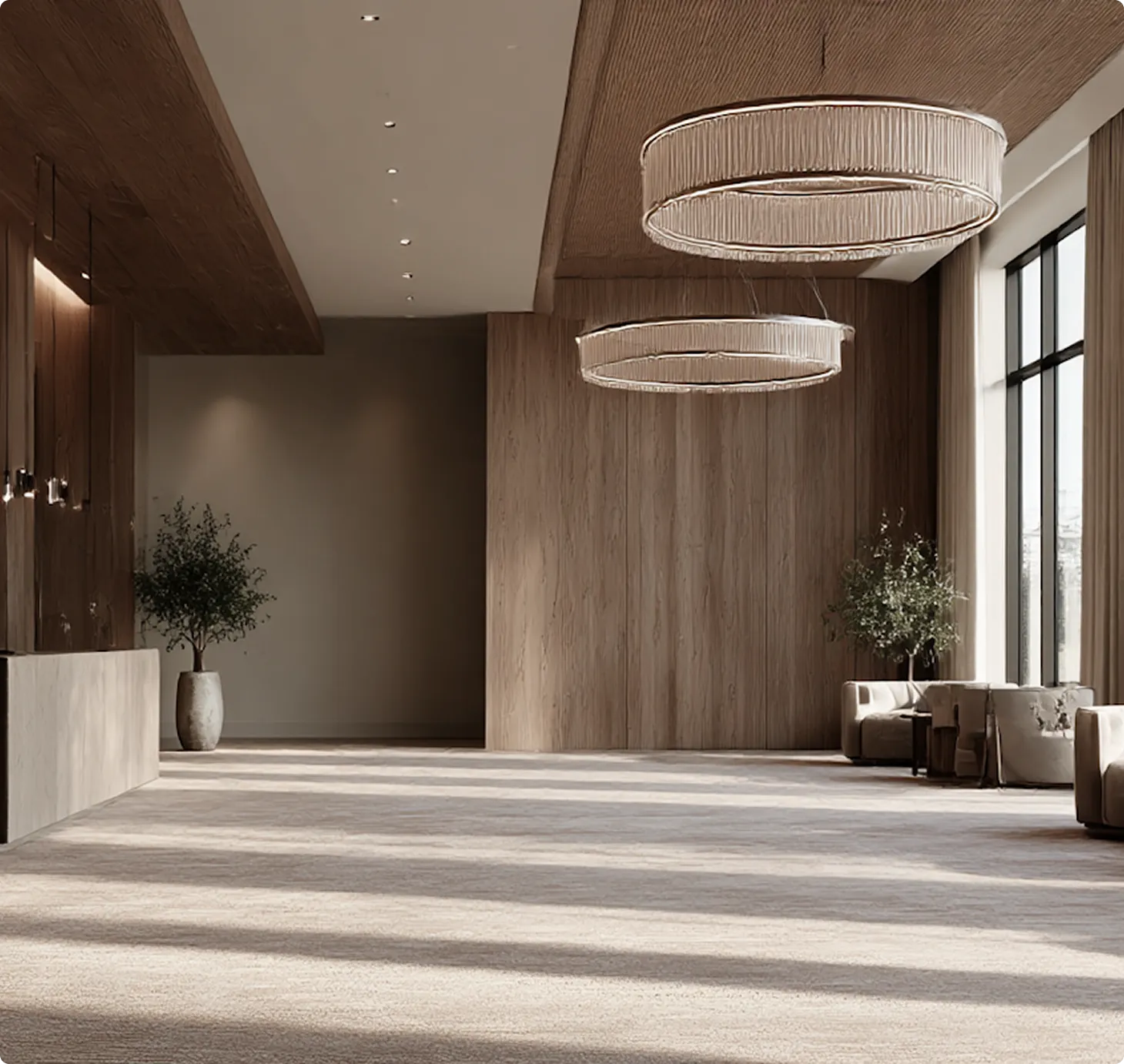
A refined selection of materials significantly contributes to both the aesthetic appeal and longevity of a space. Honest materials such as exposed concrete, natural timber, and structural steel not only enhance the visual character but also ensure that the environment ages gracefully. Unlike synthetic options that may feel outdated as trends evolve, these natural elements maintain their charm over time. Incorporating such materials fosters a connection to nature, promoting a sense of warmth and authenticity. Additionally, they often require less maintenance, making them practical choices for both residential and commercial settings. The durability of these materials means they can withstand the test of time, providing lasting value.
“Good design is not just about aesthetics it’s about how a space functions and feels over time.”
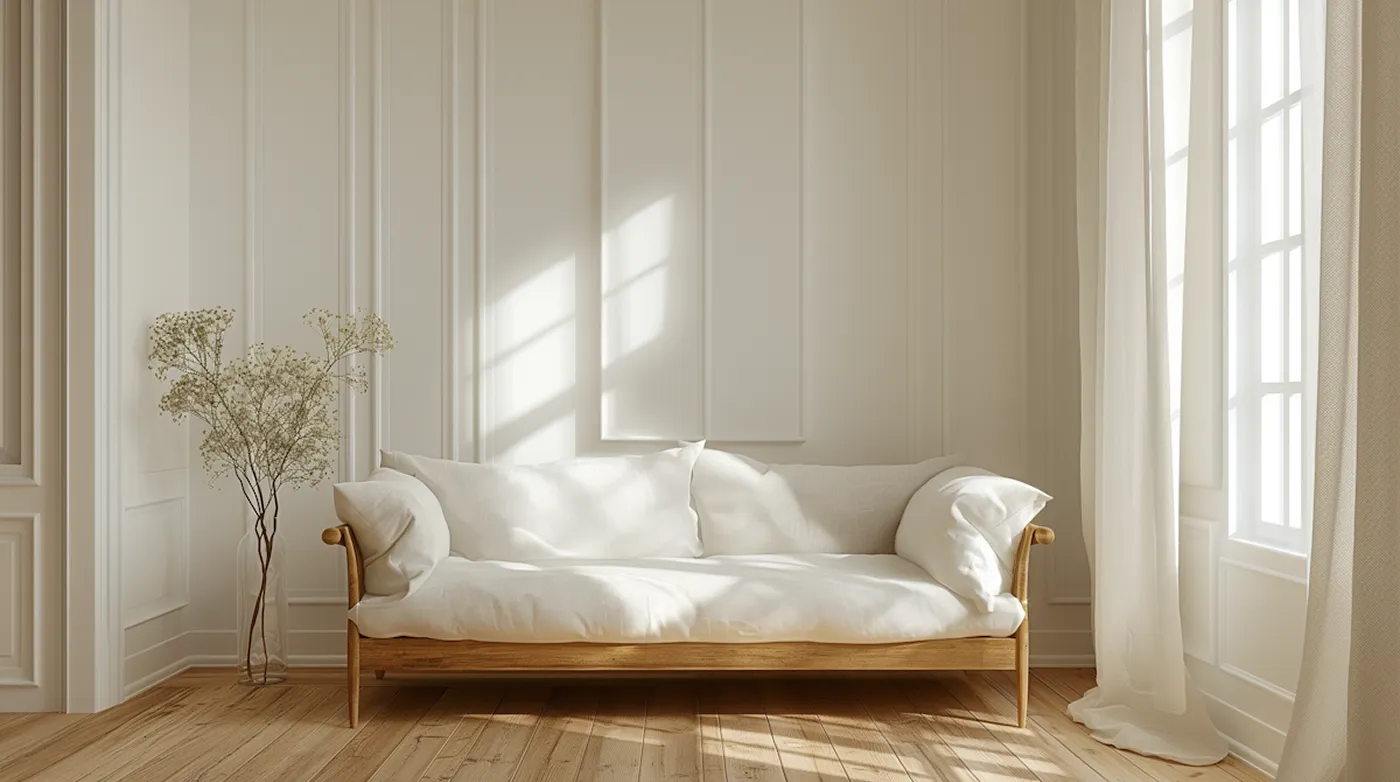

Delving into the extensive range of ideas, movements, and understandings that significantly influence contemporary architecture and design.
An in-depth exploration of the ways in which architecture is transforming to adapt to the evolving lifestyles of individuals.
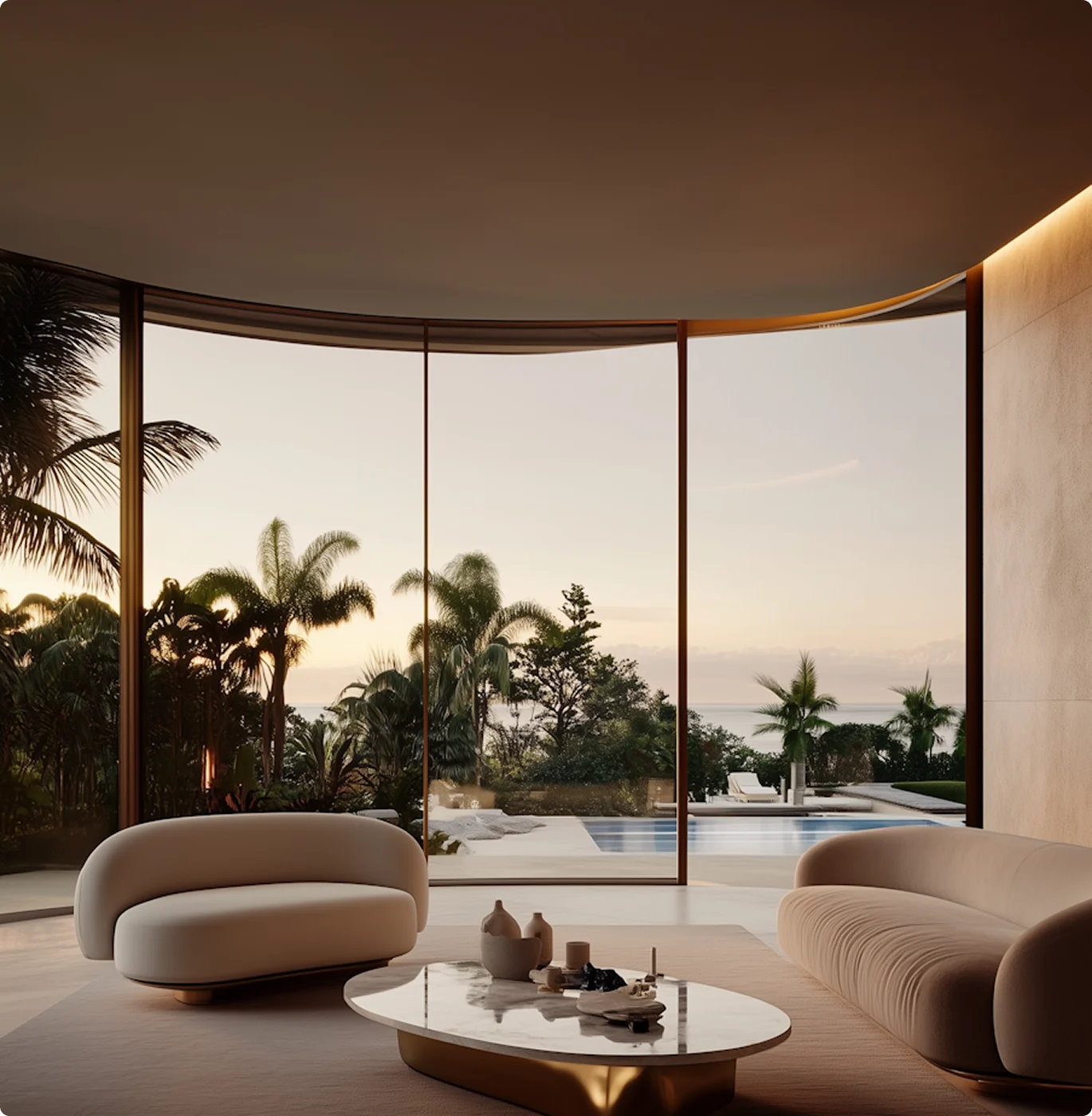
Exploring eco-conscious design approaches that balance innovation with environmental responsibility.

Got a project in mind? Let’s work together to create a space that truly reflects your unique vision and lifestyle.


